A customer can like your food and still never order again. They got busy, another restaurant messaged them, or a delivery app put someone else in front of them.
You do not get them back by chasing new strangers. You get them back by staying in contact with the people who already bought.
Stop Spending All Your Energy on First-Time Customers
Restaurants put a lot of effort into getting new customers through the door.
They pay for advertising, post on social media, improve their Google presence, join delivery platforms, distribute menus, and offer promotions. The goal is to convince someone who may know very little about the restaurant to place an order.
But after that first order comes in, the restaurant often goes right back to searching for the next new customer.
The person who already ordered receives their food, completes the transaction, and disappears into a customer list that may never be used.
That is a missed opportunity.
A previous customer already knows the restaurant. They have already looked through the menu, trusted the business enough to place an order, and decided the food was worth paying for.
The hardest part has already happened.
The restaurant should not have to convince that person from the beginning every time. It should only need to stay present enough that the customer remembers it when they are ready to order again.
That is where ongoing engagement matters.
Why Most Restaurants Go Quiet After the Order
In many cases, restaurants understand that they should stay in contact with customers. The problem is finding the time to do it consistently.
Restaurant owners and managers are already dealing with staffing, inventory, vendors, food preparation, scheduling, customer service, and everything else required to keep the business moving.
Marketing often becomes something they plan to handle later.
They may send one email about a holiday special, post a few times on social media, and then go silent for the next several weeks. It is not because they do not care about their customers. They are simply busy running the restaurant.
Other restaurants never build a communication process at all.
They assume that customers will come back if the food is good enough. While good food is essential, it does not guarantee that the restaurant will be the first place a customer remembers the next time they are deciding what to eat.
Customers have too many options competing for their attention.
The restaurant that continues showing up has an advantage over the restaurant that disappears after each sale.
Good Food Does Not Mean They Will Remember You
A customer can genuinely enjoy a restaurant and still forget about it.
They may intend to order again, but another restaurant sends them a message first. They may open DoorDash and choose one of the businesses being promoted at the top of the screen. They may see a competitor’s new special on Instagram and decide to try that instead.
The original restaurant did not necessarily lose the customer because of its food.
It lost the customer’s attention.
Staying engaged helps prevent that from happening.
A restaurant can remind customers about a favorite menu item, announce something new, promote a weekend special, or share an upcoming seasonal menu. The message gives the customer a reason to think about the restaurant again before someone else takes that attention.
This does not mean sending constant promotions or overwhelming customers with emails.
It means maintaining enough communication that the restaurant remains familiar.
When the customer is ready to order, the restaurant should still feel like an active option instead of a place they tried once several months ago.
Give Them a Reason to Think of You This Week
Restaurants sometimes avoid email marketing because they do not know what to send.
They assume every message needs to include a discount.
That is not true.
A restaurant already has plenty of reasons to contact customers. The problem is that those reasons often stay inside the restaurant instead of being shared with the people most likely to care.
A new menu item is worth announcing. So is a seasonal dish, a weekend special, an upcoming event, a holiday menu, or a catering package.
Even bringing back a popular item can give past customers a reason to order again.
The message does not need to be complicated. It simply needs to answer one question:
Why should the customer think about this restaurant today?
A message about a new pasta dish may bring back someone who has not ordered in a month. A reminder about a family meal could reach a customer trying to plan dinner. A holiday catering announcement may create an order the restaurant would never have received otherwise.
The restaurant is not trying to force customers into buying something every time it communicates.
It is staying visible so that when the timing is right, the customer knows where to go.
Do Not Make Repeat Business Depend on You Remembering
The biggest problem with restaurant marketing is often inconsistency.
An owner may fully intend to send a message every week or announce every new special. Then a staff member calls out, an equipment problem comes up, or the restaurant gets busy.
Marketing gets pushed aside.
By the time the owner thinks about it again, several weeks may have passed without customers hearing anything.
That is why staying engaged cannot depend entirely on someone remembering to do it manually.
Some communication can be planned ahead. Other messages can be triggered automatically based on customer activity.
For example, the restaurant can prepare campaigns for upcoming holidays, seasonal menu changes, or regular weekly specials. It can also automatically contact customers who have not ordered within a certain period.
The restaurant still controls what is being sent and how often customers are contacted. Automation simply makes sure the communication continues even when the owner is focused on running the business.
That consistency is what keeps the restaurant from disappearing.
You Cannot Bring Them Back If You Do Not Own the Relationship
A restaurant can only stay engaged with customers when it has a direct way to reach them.
When orders come through a third-party marketplace, the restaurant may prepare the food without building any lasting connection with the person who bought it.
The app remains the main point of contact.
It can continue sending notifications, promoting competitors, and deciding which restaurants the customer sees the next time they open the platform.
The restaurant completed the order, but the marketplace controls what happens afterward.
This is one reason direct ordering is so important.
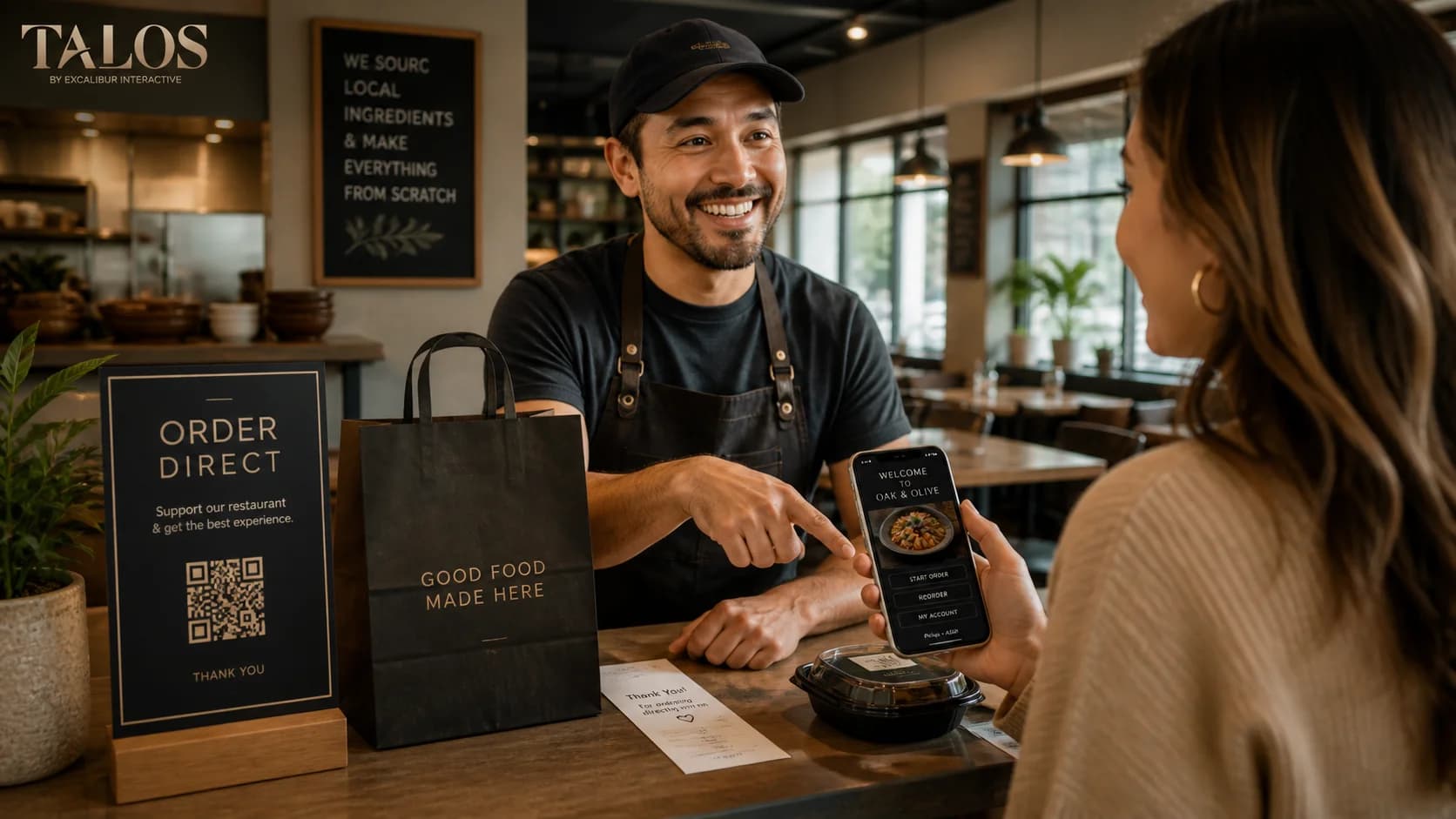
When customers order through the restaurant’s own website, the restaurant has an opportunity to continue the relationship. It can reach those customers again with relevant updates instead of depending on a delivery app to bring them back.
Our guide on converting delivery app customers into direct customers explains how restaurants can encourage marketplace customers to use their direct ordering site in the future.
Getting the customer to order directly is the first step.
Continuing to communicate with them is how that direct relationship becomes more valuable over time.
Use the List You Already Have
Many online ordering systems collect customer names and email addresses.
But simply having that information does not bring anyone back.
The value comes from using it.
A restaurant may have hundreds or thousands of previous customers sitting inside its system. These are people who already know the business, have already ordered the food, and are more likely to purchase than someone seeing the restaurant for the first time.
Yet many restaurants spend more time and money advertising to strangers than communicating with the customers they already have.
A customer list should not sit untouched inside a dashboard.
It should allow the restaurant to stay connected with the people who have already shown an interest.
When the restaurant introduces something new, those customers should hear about it. When a major ordering weekend is approaching, they should receive a reminder. When customers have not ordered in a while, the restaurant should have a way to put itself back in front of them.
The goal is not to send the same message to everyone constantly.
The goal is to make sure the restaurant does not lose contact with people who may be ready to order again.
Stay Familiar Until They Are Hungry Again
Customers are more likely to return to businesses that feel familiar.
Each useful message helps maintain that familiarity.
The customer sees the restaurant’s name, remembers a dish they enjoyed, and becomes aware of what is currently happening. Over time, the restaurant stays connected to the customer instead of becoming a forgotten one-time purchase.
That does not mean every email will create an immediate order.
Some customers will read a message and order that night. Others may not be ready until the following week. Some may ignore several messages before one finally reaches them at the right moment.
That is normal.
The purpose of staying engaged is not to make every customer purchase every time they receive an email.
It is to remain present until they are ready.
Restaurants that communicate consistently have more opportunities to reach customers at the right time than restaurants that only show up when they are desperate for business.
Remind Them They Can Order From You Directly
Even customers who have ordered directly before may return to delivery apps out of habit.
Opening DoorDash or Uber Eats is easy. Customers may not stop to search for the restaurant’s website unless they are reminded that direct ordering is available.
That is another reason communication matters.
Restaurant emails can send customers directly back to the online menu. Instead of opening a marketplace, searching for the restaurant, and comparing it with competitors, the customer can move from the message directly into the ordering process.
Restaurants should continue reminding customers that they can order directly for pickup or delivery.
Our article on how to market your restaurant’s direct ordering website covers additional ways to build that direct-ordering habit.
The goal is to make ordering directly feel normal and convenient.
The more often customers return through the restaurant’s own website, the easier it becomes for the restaurant to maintain the relationship without relying on a third party.
How Restaurants Do This Without Living in Their Inbox
Talos gives restaurants a direct online ordering system that helps them build and maintain their own customer relationships.
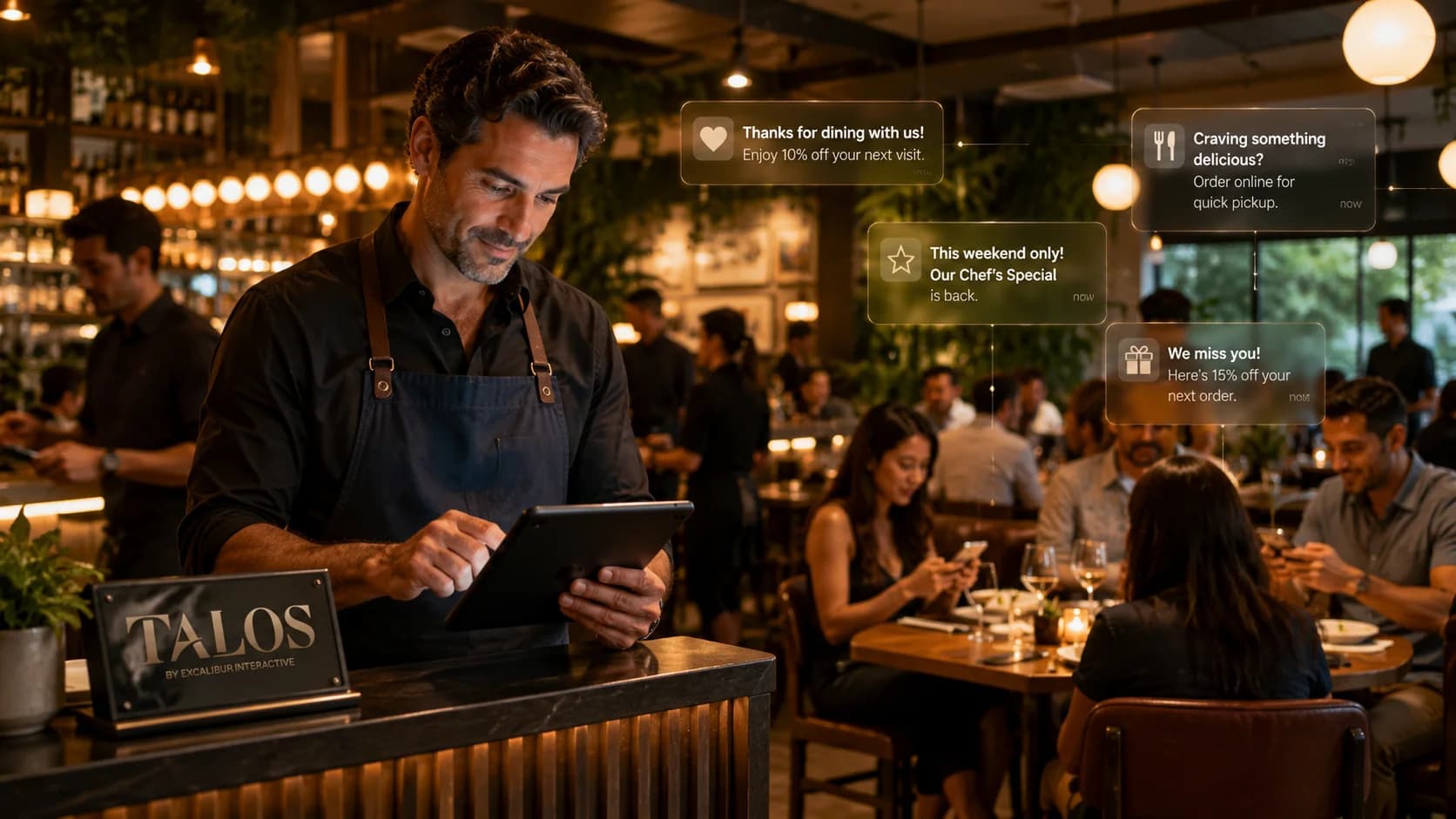
Instead of allowing customer information to sit unused, restaurants can send targeted email campaigns promoting new items, specials, seasonal menus, events, and other reasons to return.
Talos can also automate communication with customers based on their ordering activity. This allows the restaurant to continue reaching customers even when the owner or manager does not have time to manually build and send every campaign.
The restaurant remains in control of its message, while the system helps make sure communication does not stop whenever the business gets busy.
Restaurants can use the Talos Marketing Suite to stay connected with customers and track which campaigns lead to actual orders.
The purpose is not to send more emails for the sake of sending them.
It is to help restaurants remain visible, give customers relevant reasons to return, and turn more one-time orders into repeat business.
They Cannot Come Back If They Forget You
Most restaurant customers do not make a conscious decision never to come back.
They get busy. They fall into different routines. They see another restaurant first.
When a restaurant stops communicating after the order, it leaves the next purchase entirely up to chance.
Staying engaged changes that.
It keeps the restaurant familiar, gives customers new reasons to return, and makes sure the relationship does not disappear once the transaction is complete.
Restaurants already work hard to earn the first order.
The next step is making sure customers continue hearing from them after it. Book a walkthrough if you want to see how this would work for your restaurant.